
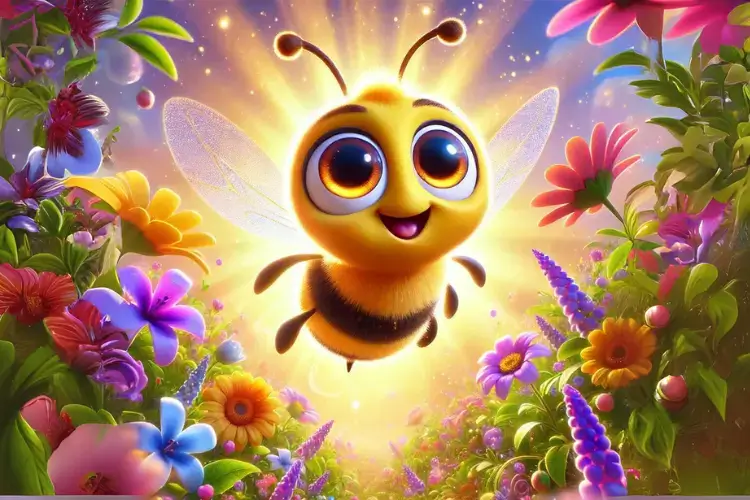
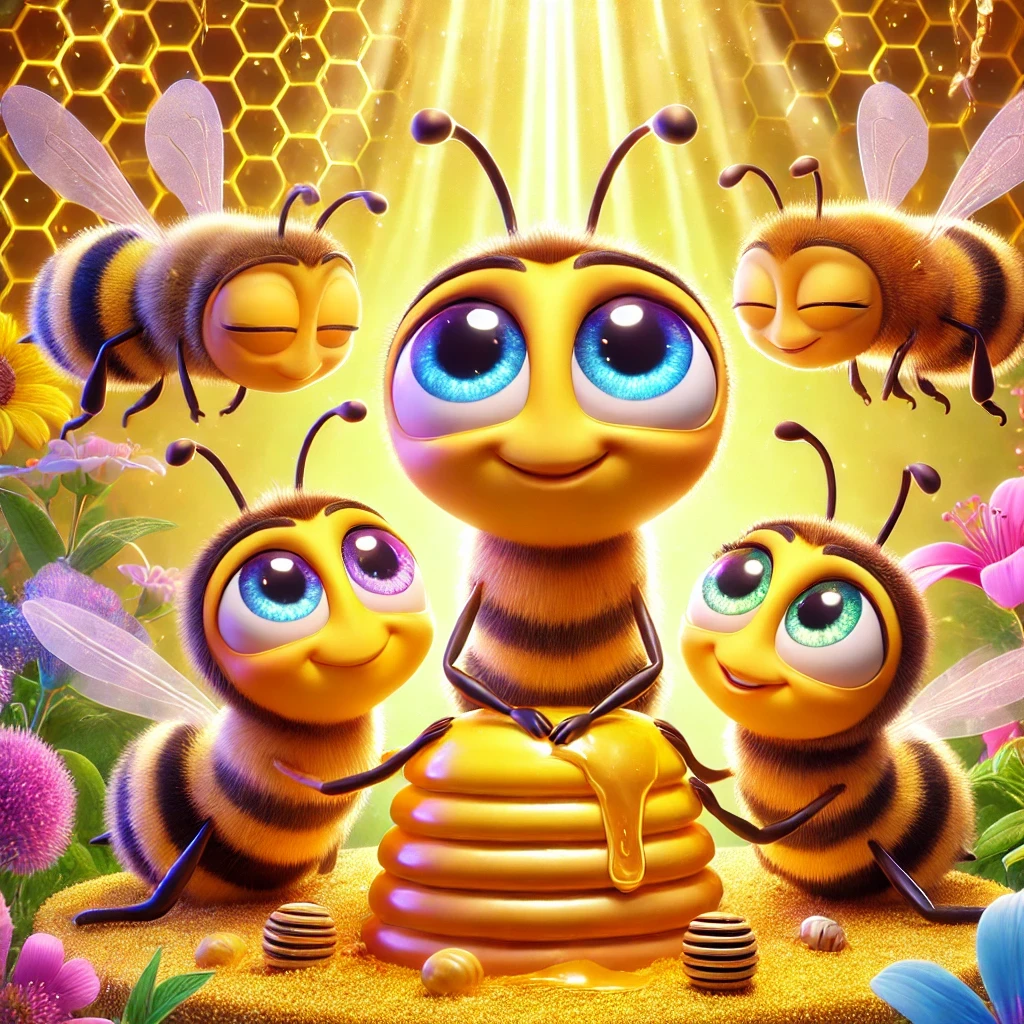
A honeybee hive is one of creation’s clearest pictures of many small lives working together. Thousands of bees clean cells, feed young, build wax comb, guard the entrance, forage for nectar and pollen, and share information with one another. No single bee makes the hive work on its own. The colony survives because many bees do their part.
That makes bees a helpful family illustration for teamwork and service. It is not a perfect one-to-one picture of the church, and Scripture does not tell us to copy a hive. But when children watch bees working together, they can see something true: small faithful work matters.
What Bees Can Teach Us
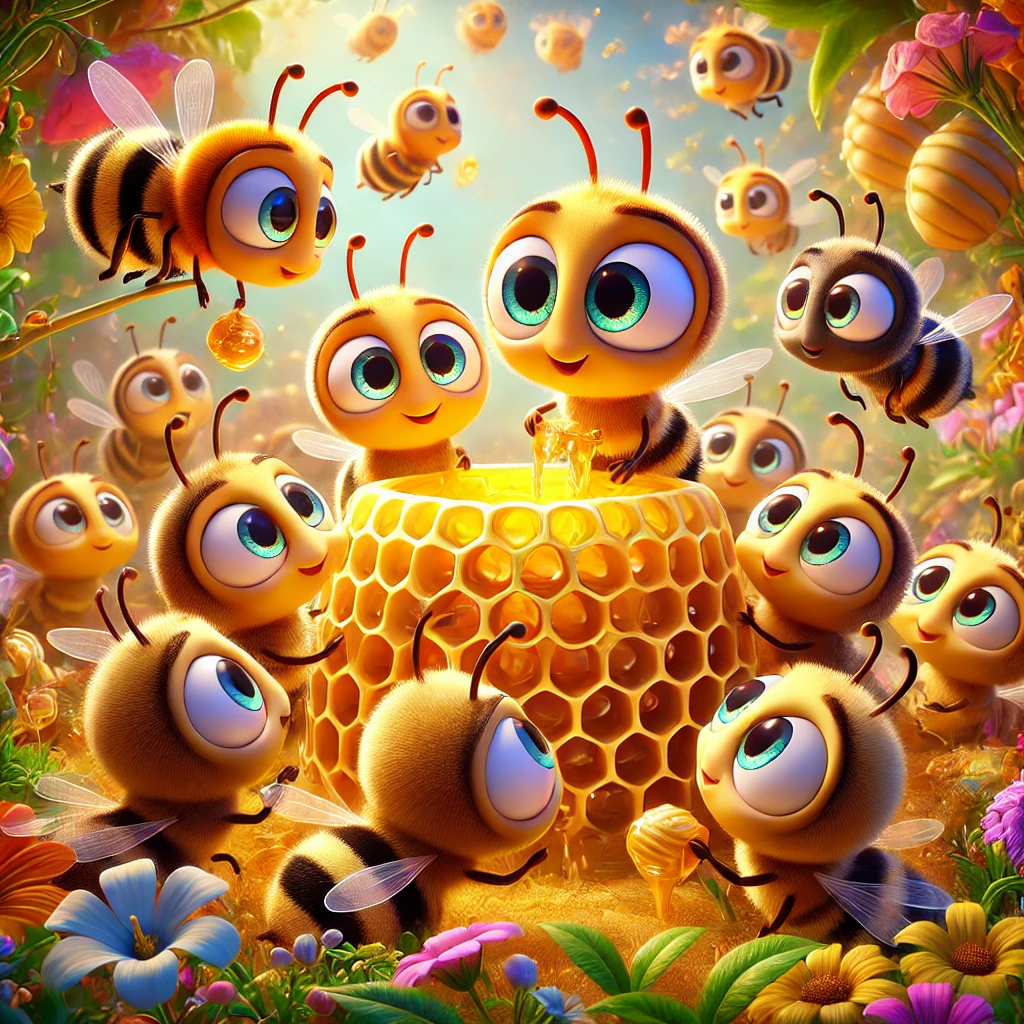
A healthy honeybee colony usually includes one queen, many worker bees and, during certain seasons, drones. The queen’s main role is reproduction. Drones are male bees whose main role is mating. Worker bees are female bees that do most of the daily labor of the hive.
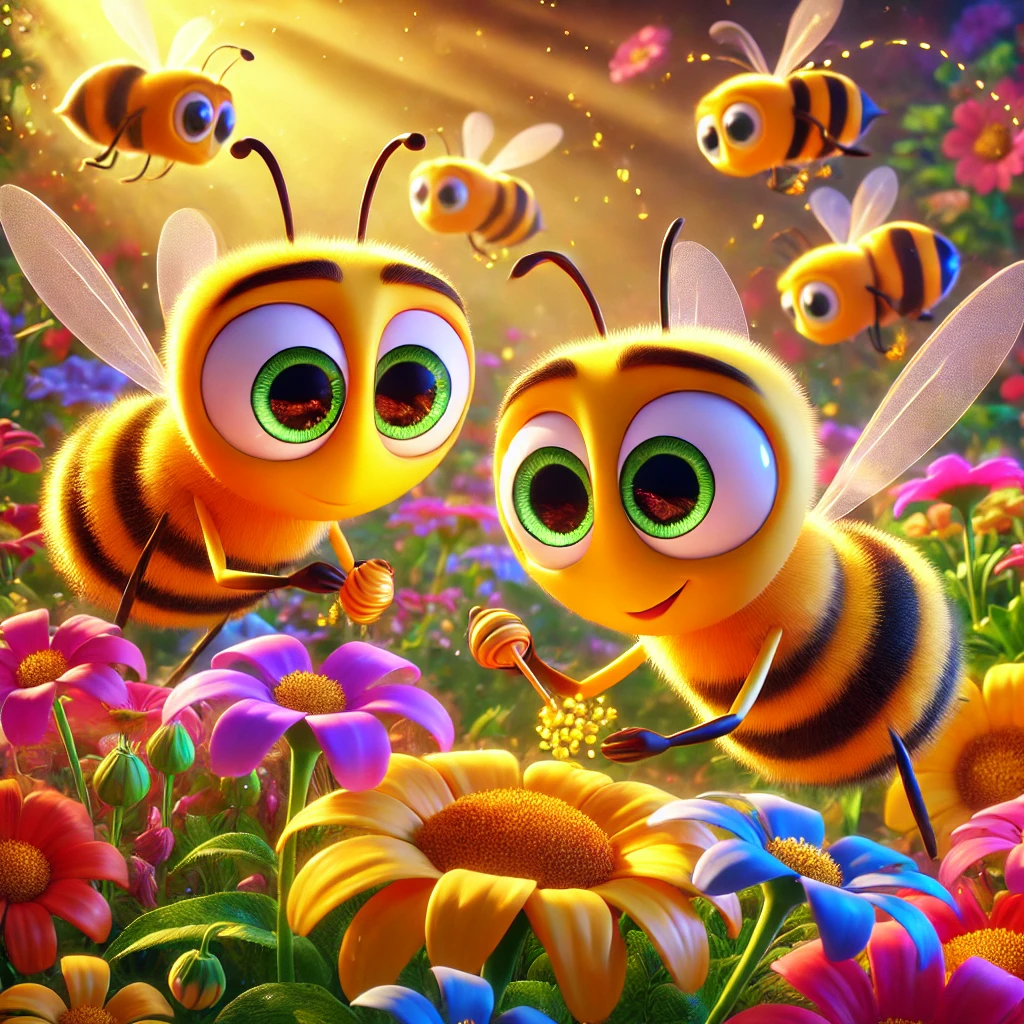
Worker bees often change jobs as they age, though the exact timing can shift with the needs of the colony. Young workers may clean cells and care for developing bees. Later they may build comb, handle nectar, guard the entrance, ventilate the hive and finally forage outside for nectar, pollen, water and plant resins. That is the safer lesson: bees are not random, but they are also not little robots. Their work is organized, responsive and shared.
Honeybees also communicate. Returning foragers can use a waggle dance to share information about a good food source. The dance helps other bees find the direction and distance of flowers. Bees also use pheromones and other cues to keep the colony functioning. The hive is not run by one visible manager handing out orders. It depends on communication, cooperation and each bee responding to its role.
For families, that gives a careful picture of service. Your child’s small job is not small to the family. Setting the table, encouraging a sibling, telling the truth, praying for someone, helping without applause – these are ordinary acts, but ordinary faithfulness is often what holds a household together.
The Biblical Mirror
The Bible’s main picture for believers working together is not a hive. It is a body. In 1 Corinthians 12:12, Paul writes that a body has many parts, but all its parts form one body. That is the passage families should start with. The lesson is not that people are bees. The lesson is that God gives different members different work, and none of those parts should be despised.
Paul goes further in 1 Corinthians 12:22: the parts that seem weaker are indispensable. That is a strong word for children who feel unnoticed. The quiet helper matters. The person who cleans up after everyone else matters. The child who includes the lonely classmate matters. Visible work is not automatically more valuable than hidden work.
Ephesians 4:16 gives another helpful verse: the body grows as each part does its work. Bees can help children picture that truth, but Scripture gives the meaning. God builds families and communities through many faithful parts working in love.
For Your Kids
Ages 5-7
Young children understand jobs they can touch. Say, “In a hive, worker bees do many different jobs. Some clean. Some care for young bees. Some gather food. Every helpful job matters.” Then connect it to your home: “When you put your dishes away or help your brother, you are doing a real part of family life.”
Ages 8-10
Kids this age start comparing gifts. Ask, “What is one helpful thing God has made you good at?” Then ask, “How could that help someone else this week?” Keep the focus on service, not status. Gifts are not for showing off. They are for loving people well.
Ages 11-13
Preteens often feel pressure to discover a huge life purpose early. Bees give a gentler picture: much of life is faithfulness in today’s assignment. Ask, “What is the faithful work in front of you right now?” It may be homework, friendship, prayer, chores or using a gift to serve. Small faithfulness prepares the heart for larger responsibility.
This Week’s Challenge
One Action
Do a family gift inventory this week. Each person names one gift, ability or habit they can use to serve others. Then choose one specific way to use that gift for someone outside your immediate family.
One Conversation Starter
What is one helpful job in our family that does not get noticed very often, but makes life better for everyone?
One Verse
“Each of you should use whatever gift you have received to serve others, as faithful stewards of God’s grace in its various forms.” – 1 Peter 4:10
Family Activity
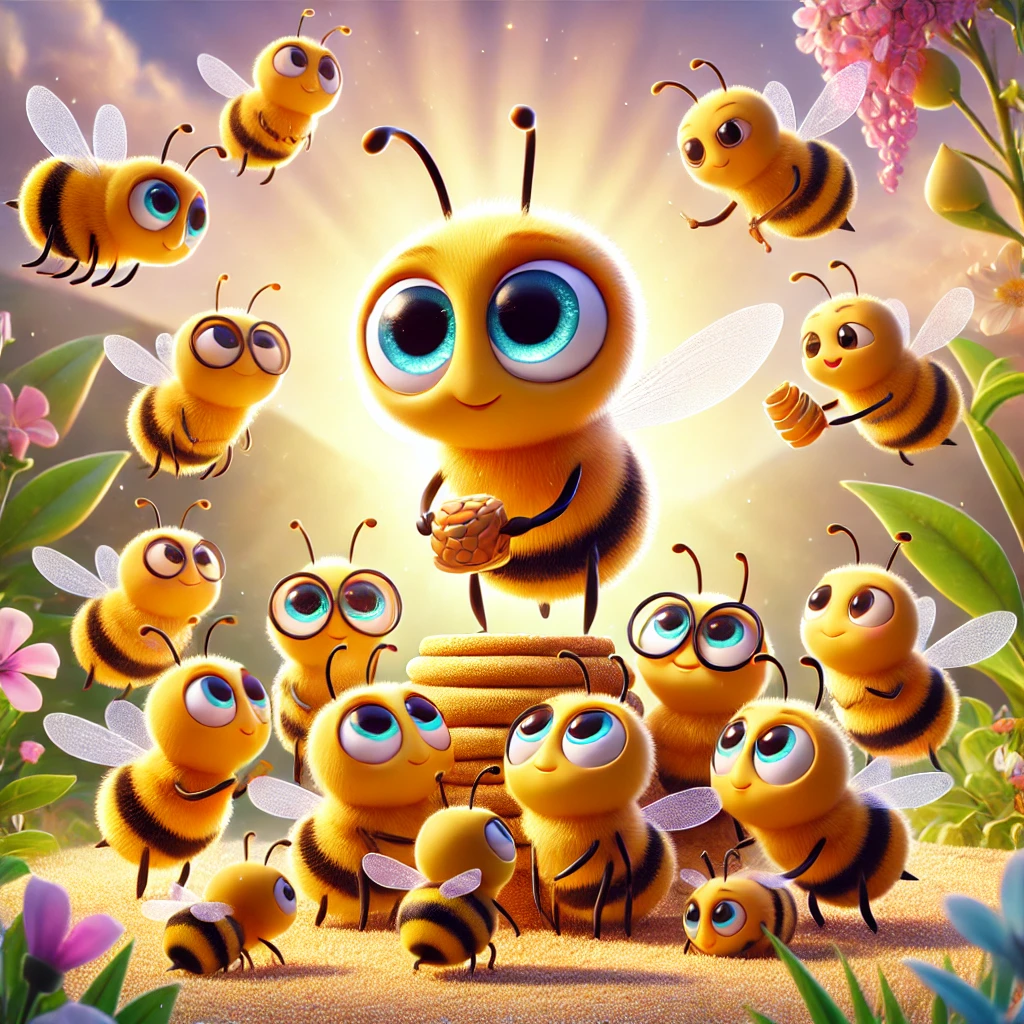
Eat honey on bread, toast or fruit while you talk about how honey is made. Explain that many worker bees gather nectar, other bees process and store it, and the whole colony depends on shared work. Keep the numbers careful: people often estimate that a pound of honey can involve many thousands of bee trips and visits to millions of flowers. The exact number depends on the flowers, distance and season.
Then ask each person to name one “sweet result” in your family that only happens because several people contribute: a clean kitchen, a peaceful bedtime, a holiday meal, a church event, a kind friendship.
Discussion Starters
- 1 Corinthians 12 says every part of the body matters. Which part of family life would be hard if nobody did it?
- Why do you think hidden work can feel less important, even when it is necessary?
- What is one gift God has given you that could serve someone else?
- Worker bees respond to the needs of the colony. What need do you notice around you this week?
- How can our family honor quiet helpers better?
A Prayer to Close
Lord, thank You for giving each of us gifts that can serve others. Forgive us when we compare our part with someone else’s part, or when we think hidden work does not matter. Teach our family to notice needs, help gladly and build one another up in love. Amen.
One Last Thing
Bees do not need to become bigger to matter. Their strength is in shared work, steady communication and many small acts that add up. That is a good word for children. The faithful thing in front of them may be small, but small does not mean insignificant.
Want to learn more about bees? Explore honeybee colony roles from the Mid-Atlantic Apiculture Research and Extension Consortium and honeybees as pollinators from the USDA Forest Service.
Want more stories like this? Explore our Character Tales for more animal stories that teach real virtues, or grab a free printable activity to take the lesson further.