We were stuck in traffic on the way to my parents’ house – the kind of stop-and-go gridlock where you are genuinely unsure if the road ends somewhere up ahead or if everyone is just confused. My kids were whining in the back seat, picking at each other, cycling through every variation of “are we there yet.” Then my son said, out of nowhere: “I bet a giraffe could see over all of this and just know where it ends.” He was trying to be funny. But he was also completely right, and the thought settled something in me.
There are situations where the problem is not difficulty. The problem is that your vantage point is too low.
What Giraffes Can Teach Us
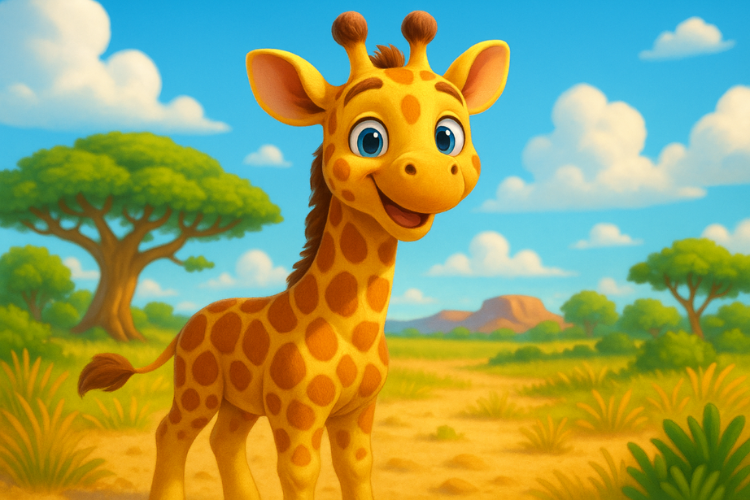
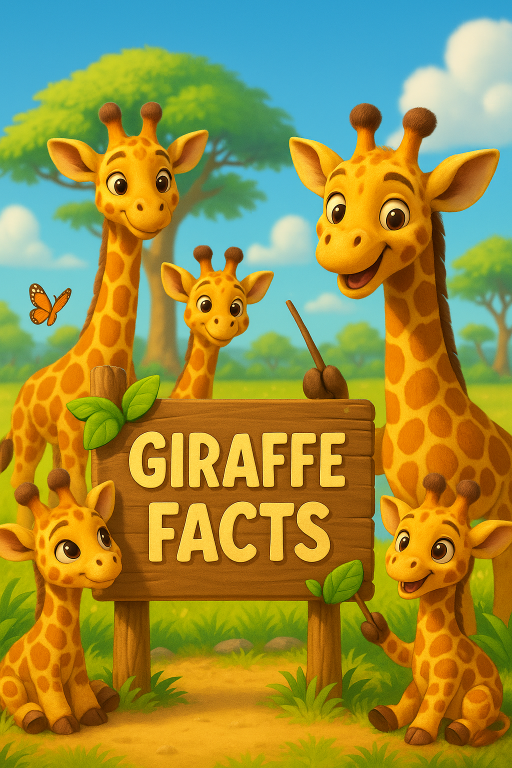
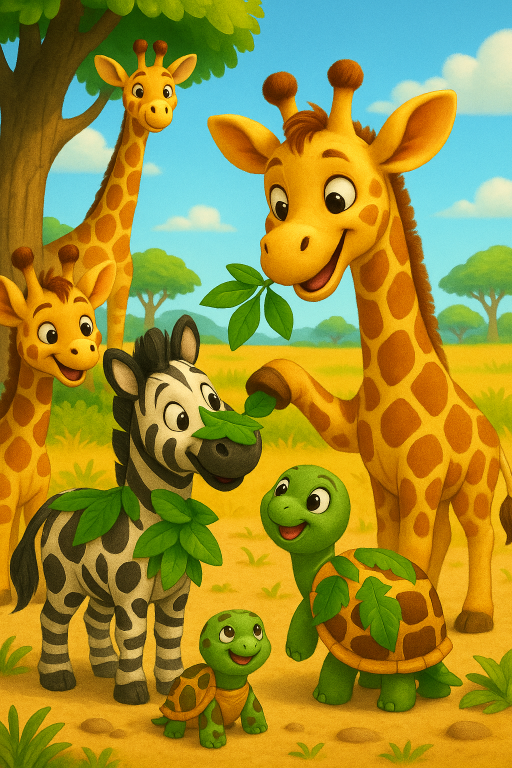
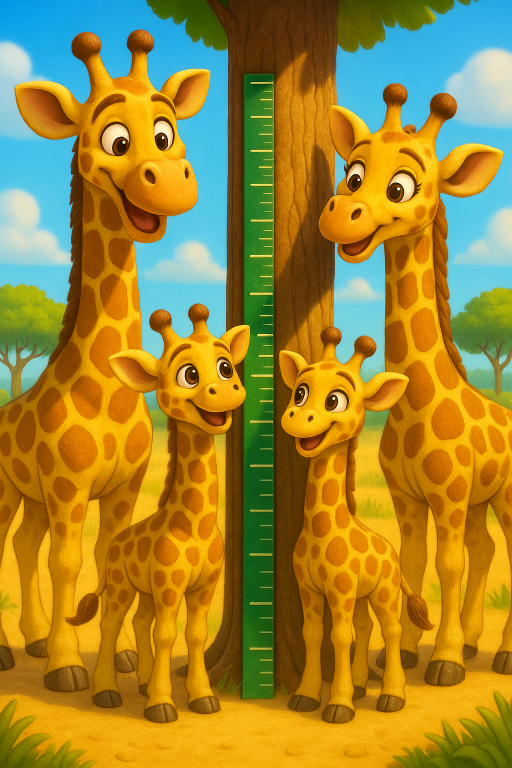
A giraffe’s height – typically between 14 and 18 feet for adults – is its most defining characteristic, and it shapes nearly everything about how the animal experiences the world. From that elevation, a giraffe can see predators from over a mile away. Because of this, other animals on the savanna follow giraffes’ gaze. When a giraffe raises its head and looks intently in a particular direction, zebras, wildebeest, and impalas stop and pay attention. The giraffe’s perspective is so reliable a warning system that an entire ecosystem has learned to read it. Its elevated view is not just a personal advantage – it is a resource that benefits everything around it.
Giraffes also have a remarkable cardiovascular system to support their height. Their hearts weigh about 25 pounds and pump with extraordinary force to push blood up that long neck to the brain. When a giraffe lowers its head to drink – a genuinely vulnerable moment, as it must spread its front legs wide to reach the water – a complex network of valves and blood pressure regulators prevents blood from rushing to the head and causing unconsciousness. The giraffe’s body was specifically engineered to handle the demands of its exceptional perspective. The height is not free. It requires the whole system to be built around it.
Young giraffes are born at six feet tall – they arrive in the world already elevated, already able to see more than most adults of other species. And within hours of birth, a giraffe calf is running alongside its mother. The height that defines it was not something it worked up to. It was what it was from the beginning.
God built into the giraffe a picture of what it means to see from above – to have a vantage point that changes everything, not because the terrain below is different, but because the angle reveals things that are invisible from the ground. Scripture consistently invites us to lift our eyes. The perspective available to those who seek God’s view is not just personally helpful. Like the giraffe, it makes us useful to the whole ecosystem around us.
The Biblical Mirror
Isaiah 55:8-9 is one of the most direct scriptural statements about the difference between God’s perspective and ours: “‘For my thoughts are not your thoughts, neither are your ways my ways,’ declares the Lord. ‘As the heavens are higher than the earth, so are my ways higher than your ways and my thoughts than your thoughts.'” This is not a dismissal of human reasoning. It is an invitation to elevation. The problem, most of the time, is not that we are thinking incorrectly about what we can see from where we stand. The problem is that we are standing too low to see what matters.
Colossians 3:1-2 makes the practical application explicit: “Since, then, you have been raised with Christ, set your hearts on things above, where Christ is, seated at the right hand of God. Set your minds on things above, not on earthly things.” This is not an invitation to be impractical or to ignore real life. It is an instruction to orient your attention and your emotional investment toward the elevated perspective – to ask consistently “what does this look like from God’s vantage point?” before letting the anxiety of the ground-level view drive your response.
Joseph demonstrates this with remarkable clarity. Sold into slavery, falsely accused, imprisoned – from the ground level, his story looks like a series of catastrophic setbacks. But Joseph, looking back from the elevated view that time and God’s faithfulness eventually provided, said to his brothers: “You intended to harm me, but God intended it for good” (Genesis 50:20). He was not minimizing what they had done. He was reporting what he could now see from a higher vantage point. The same events looked completely different depending on how high you were standing when you looked at them.
For Your Kids
Ages 5-7
Young children live very close to the ground emotionally – the immediate moment is enormous, and it is hard to see past it. The giraffe is a wonderful, concrete image for helping them understand that there is a bigger view available. “When we cannot see what is happening up ahead, we can ask God to show us because He can see everything – even further than a giraffe. He sees the whole road.” Let them ask God, in simple prayers, to help them see beyond the scary or frustrating moment they are in. “God, can You show me more than I can see right now?” That is a prayer God loves to answer.
Ages 8-10
Kids this age are increasingly affected by things they cannot control – friendship dynamics, academic pressure, family stress. They feel the ground level very acutely. This is a great age to introduce the concept of perspective as a spiritual practice. “When something feels huge and overwhelming, one thing that helps is asking: what does this look like from higher up? What would God see that I cannot see right now?” Share Joseph’s story with them and ask: “He could not see how it was going to turn out. But God could. When is a time something felt terrible at first and then you understood it better later? What did you see from the higher view?”
Ages 11-13
Preteens are deeply immersed in the noise of social life – the daily drama, the comparison, the constant low-level anxiety about their standing in their peer world. Colossians 3:1-2 is a practical tool for this age, not just a devotional text. Ask your preteen: “What are you setting your mind on most often this week? What is taking up the most mental space?” Then introduce the question: “What would it look like to set your mind on things above in the middle of that? Not to ignore what is happening, but to get a higher vantage point on it?” This is a lifelong practice – but adolescence is when it begins to be genuinely tested and therefore genuinely formed.
This Week’s Challenge
One Action
Practice the “giraffe lift” this week. When something feels overwhelming, confusing, or anxiety-producing, pause and ask one question before reacting: “What would God see from above that I cannot see from here?” Write the question on a card and put it somewhere visible. Use it at least once this week and report back to your family what you noticed when you shifted your view.
One Conversation Starter
Other animals on the savanna watch where the giraffe is looking – because its elevated view is so reliable that it becomes a resource for the whole community. Is there someone in your life whose perspective you trust that way – someone who seems to consistently see more clearly than you do from where they stand? What makes you trust their view? What do they do differently?
One Verse
“Set your minds on things above, not on earthly things.” – Colossians 3:2
Family Activity
Go somewhere high this week – a hill, a rooftop parking structure, a tall building with a view, even a playground climbing structure. Stand up there together and look out. Notice what you can see from there that you could not see from the ground. Then sit together (still elevated if possible) and each person shares one situation in their life right now that feels confusing or overwhelming from the ground level. Together, try to describe what it might look like from God’s vantage point – what He might see that you cannot.
Then bring these questions into the conversation:
Discussion Starters
- The giraffe’s perspective is a resource for the whole ecosystem – other animals read its gaze for warnings. How can your elevated perspective – the way you see things because of your faith – be a resource to people around you?
- Joseph could only see the full picture of his story in retrospect. Is there something in your past that looked like a setback at the time but now looks different from the higher view? What did God see that you could not?
- God says His thoughts are higher than ours as the heavens are higher than the earth. What is one situation right now where you are most tempted to trust your own low-level view over God’s higher one? What makes that hard?
- The giraffe’s height requires its whole body to be engineered around it – a 25-pound heart, special blood pressure valves, everything supporting the perspective. What does your life need to be built around in order to maintain a higher perspective?
- What is one thing you are currently “setting your mind on” – worrying about, focusing on, spending mental energy on – that you think looks very different from God’s vantage point? What would change if you truly saw it from above?

A Prayer to Close
Lord, Your thoughts are higher than ours and Your ways are higher than ours – not as a rebuke but as an invitation. You see the whole road when we can only see the gridlock in front of us. Lift our eyes. Teach our family to look where You are looking, to trust what You can see that we cannot, to set our minds consistently on what is above rather than staying trapped in the anxious view from the ground. When we face situations that seem impossible from where we stand, remind us that You see the whole thing. And give us the courage to act on what You see, even when we cannot yet see it ourselves. Amen.
One Last Thing
We eventually got out of that traffic jam. It turned out to be a fender-bender two miles up the road – dramatic from the involved drivers’ ground level, minor from any elevated view. My son was satisfied: “See. A giraffe would have known.” He was not wrong. And now, when things feel gridlocked in our house – when we cannot see past the obstacle in front of us – we use the phrase. Giraffe it. Ask God for the higher view. See what He sees.
Your family will face situations that are genuinely hard and genuinely unclear. There will be traffic you cannot see through, valleys you cannot see out of, noise you cannot see past. The invitation, always, is to lift your eyes. To seek the view that is higher than your circumstances. To trust that the One who can see everything has not lost sight of you.