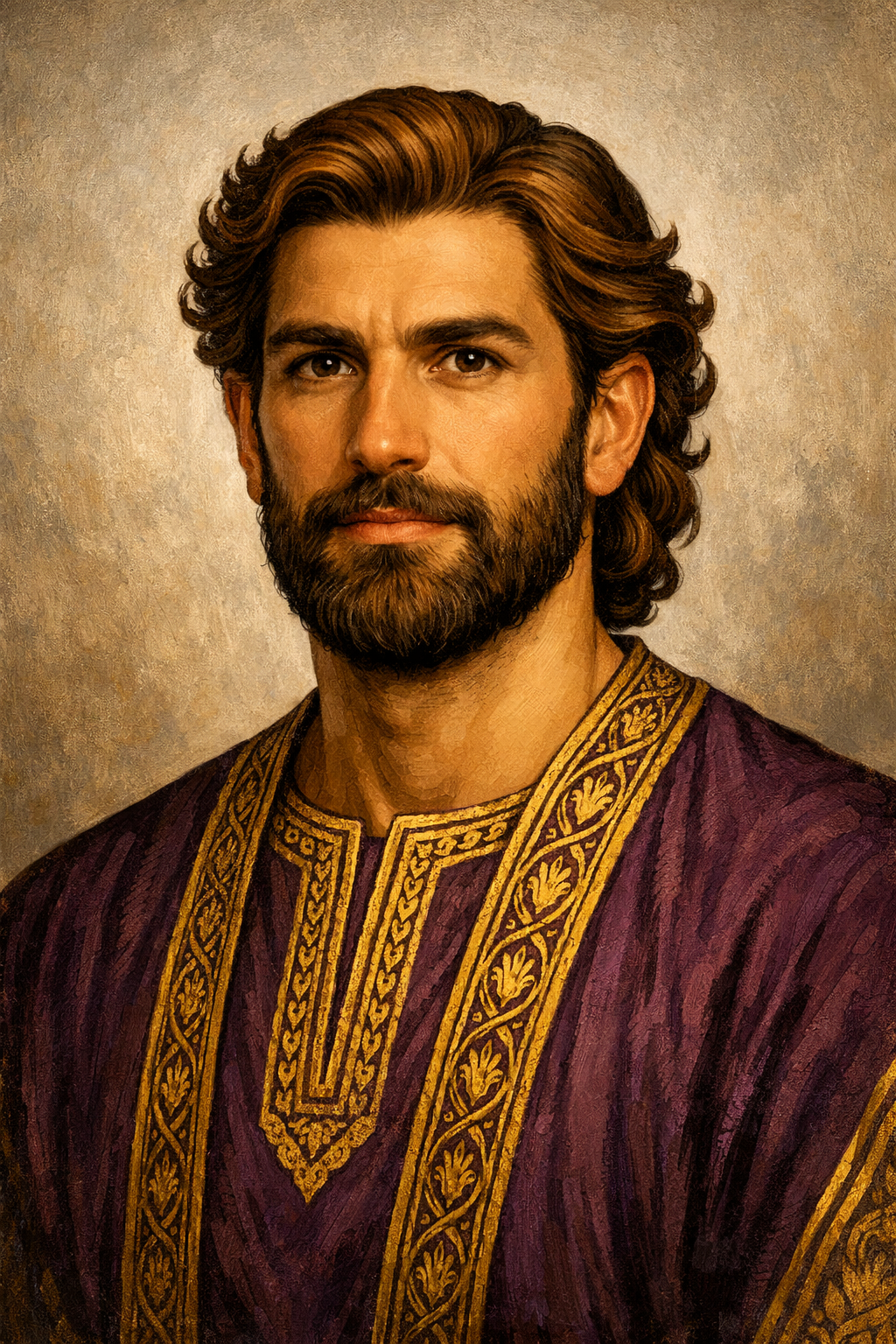
Solomon's Journey
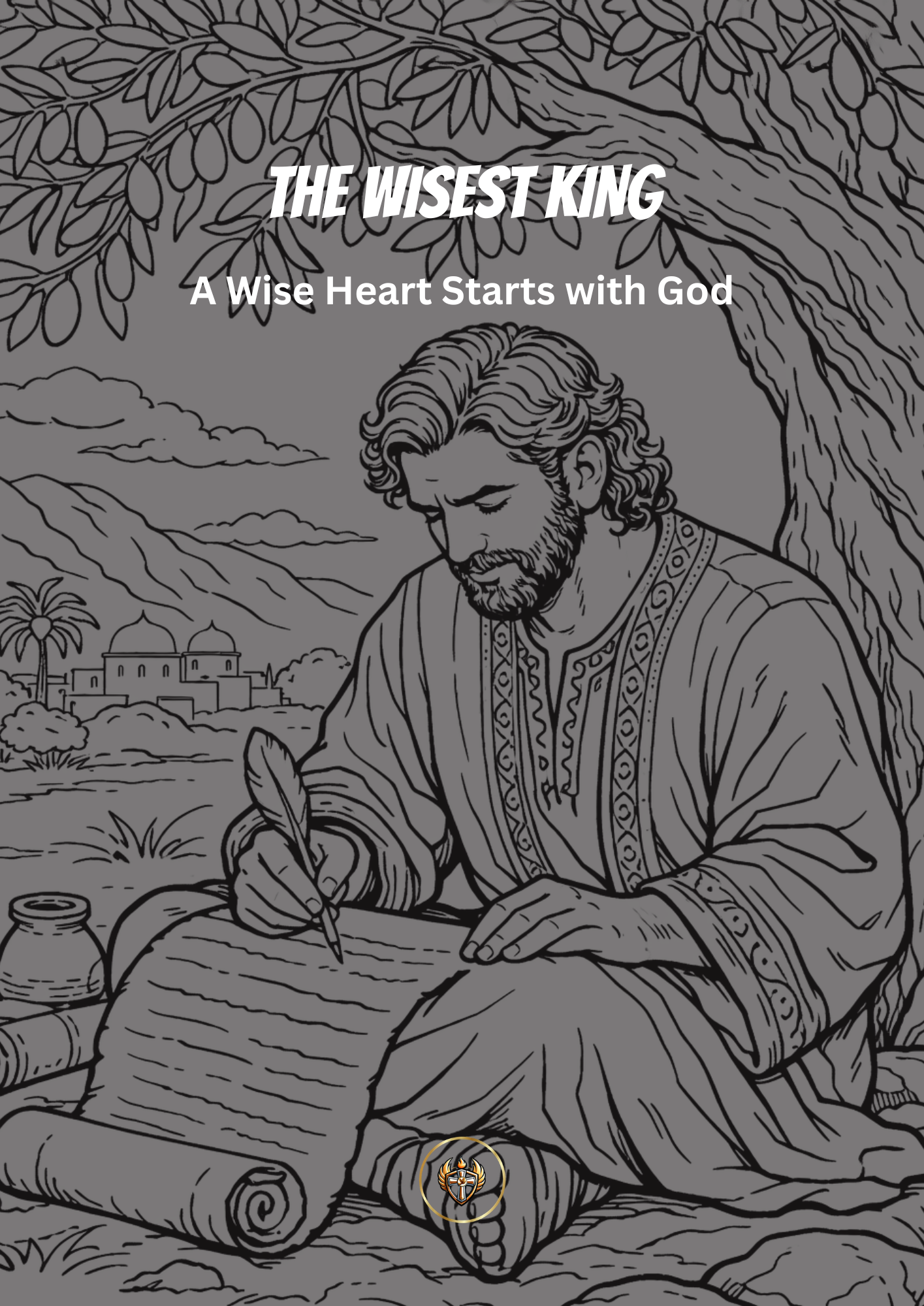
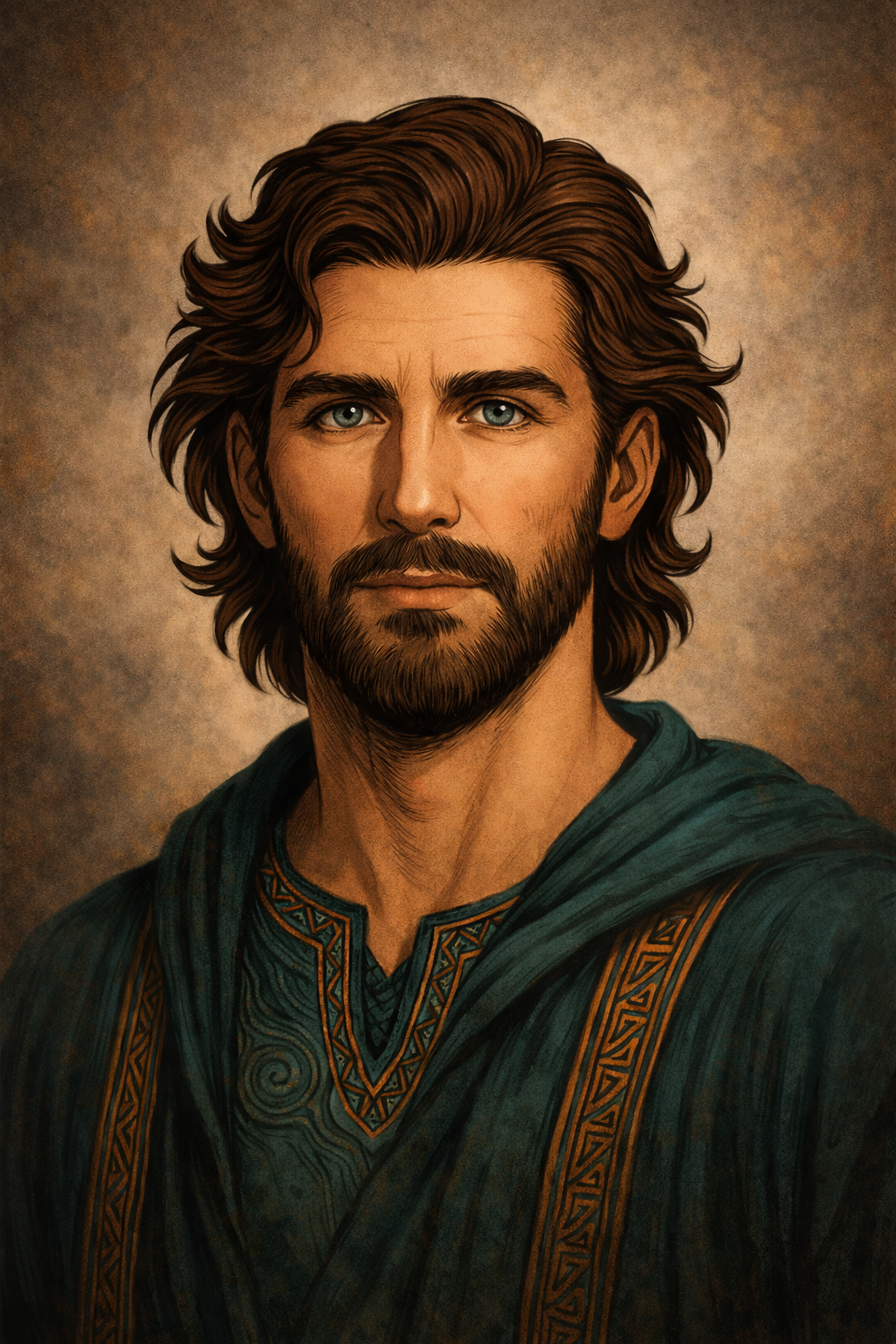
This Solomon Bible story for kids explores the life of the wisest king who ever lived – and the choices that defined him. He was young, newly crowned, and sleeping in a place that was not yet a palace. Gibeon was a high place – a hillside worship site where Solomon had come to offer sacrifices, a thousand burnt offerings on the altar. And then, in the night, God spoke. Not in thunder. In a dream. Ask for whatever you want me to give you. The words hung there in the dark. A blank cheque from the God who made everything. Solomon could feel the weight of the kingdom he had just inherited – a people too vast to count, a throne too large for any ordinary man. He could have asked for long life. He could have asked for wealth that would make Egypt jealous. He could have asked that every enemy who looked at him sideways simply disappear. He asked for none of those things. He asked to understand. He asked for a mind that could tell right from wrong, that could govern with clarity instead of stumbling in the dark. It was the best answer anyone had ever given to that question. And God, who had offered everything, gave him everything – including the wisdom he had actually asked for.
Who Was Solomon?
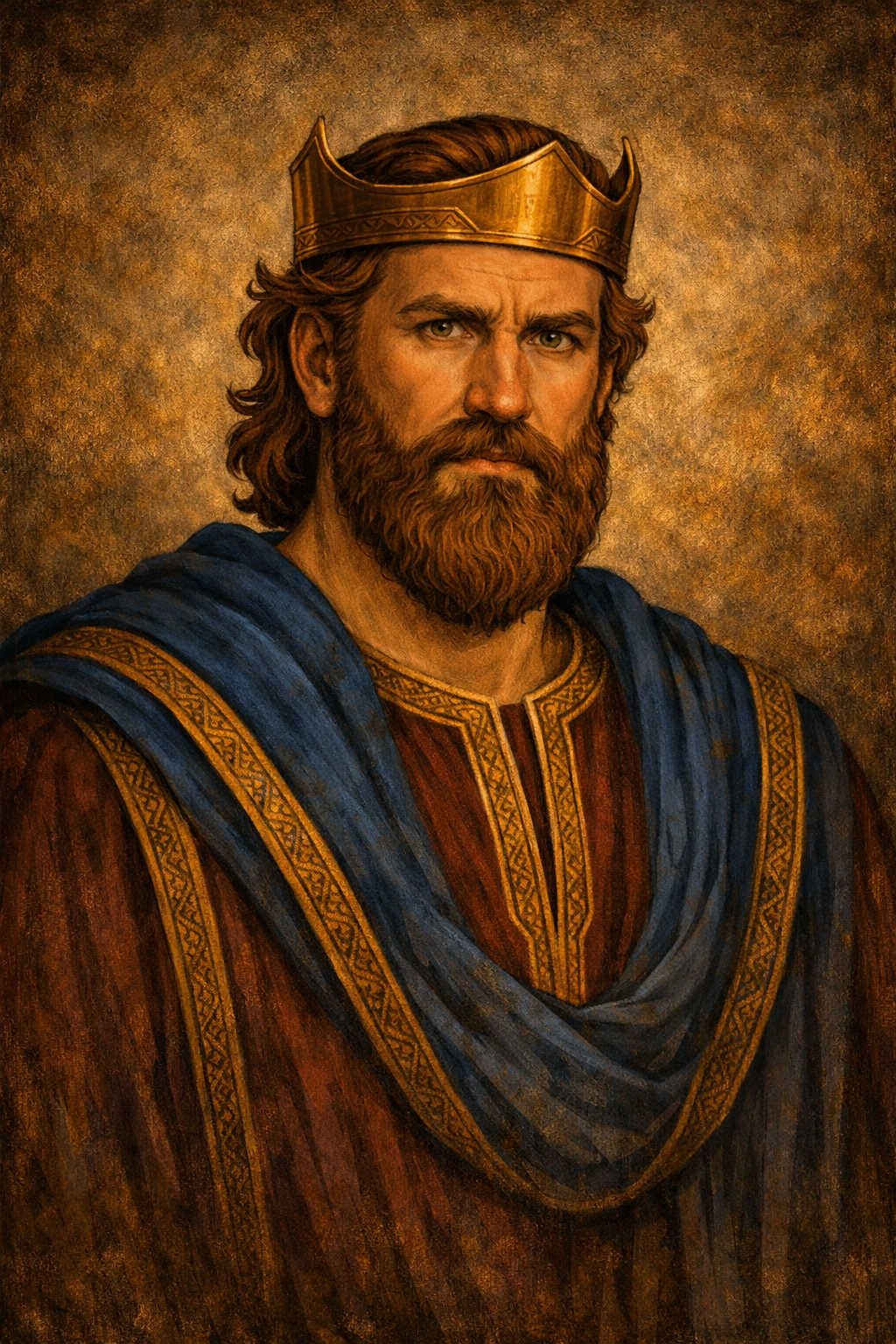
Solomon was David’s son, born to a kingdom already built and a God already proven. What was handed to him was remarkable – but what he did with it was more remarkable still. He built the temple his father had dreamed of and was not permitted to build, a structure so detailed and deliberate that the plans had been years in the making before a single stone was cut. He wrote Proverbs – thousands of them, observations about money and marriage and laziness and loyalty that still read like someone who has actually paid attention to how people work. He wrote Ecclesiastes, one of the strangest and most honest books ever put to parchment – a king at the end of his life asking what any of it was actually for. The Queen of Sheba heard about his wisdom from a thousand miles away, made the journey, came prepared with the hardest questions she owned, and left breathless. At his best, Solomon was the kind of person who made the world around him make more sense.
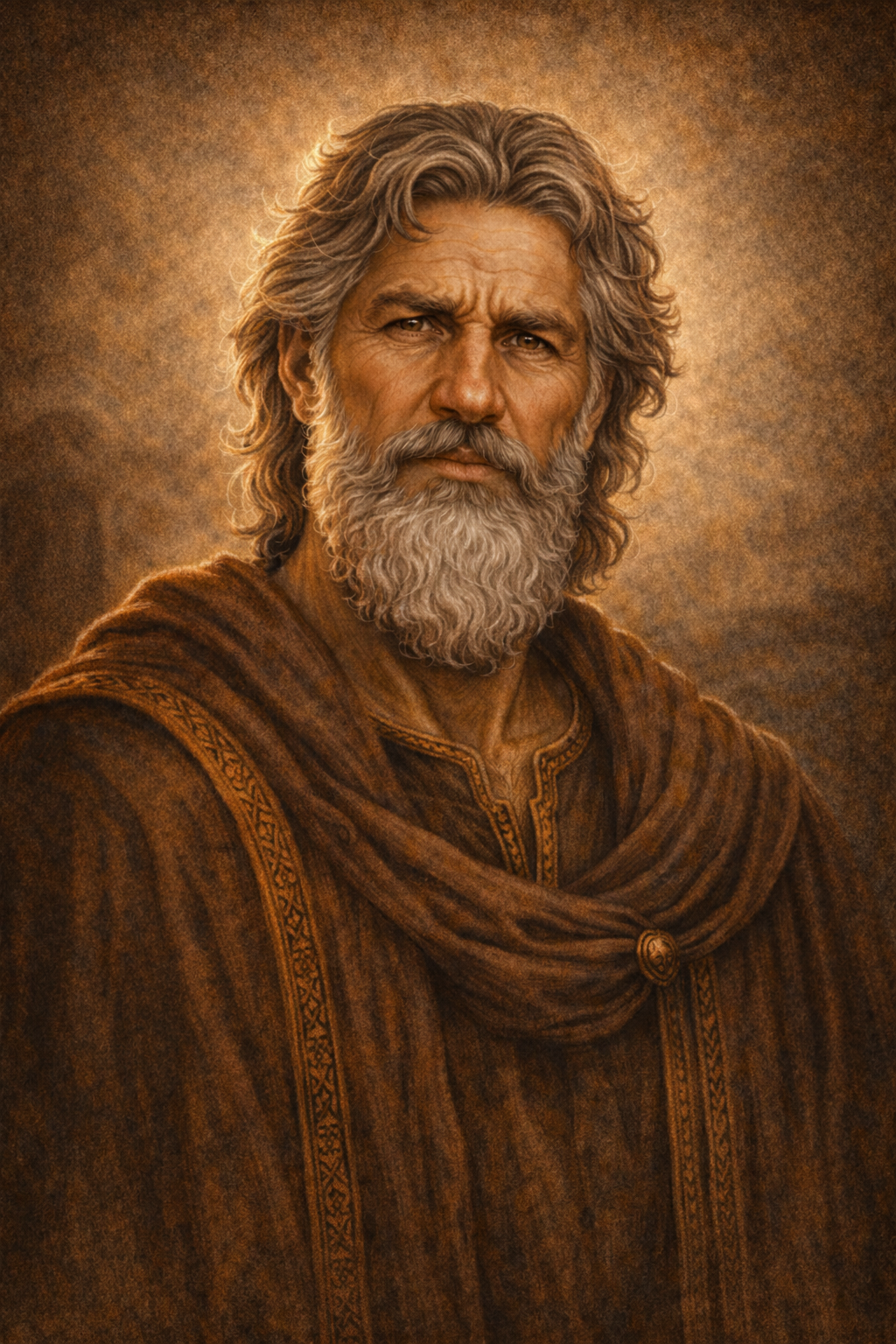
But Solomon’s story does not end at his best. He took 700 wives and 300 concubines – many of them from the nations God had specifically warned against, precisely because they would bring their gods with them. And they did. In his old age, the man who had built the temple for the living God built shrines for the gods of Moab and Ammon and Sidon. He did not do it suddenly. He drifted – slowly, incrementally, one compromise at a time, each one probably feeling small enough to justify. The tragedy is not that Solomon was a hypocrite. The tragedy is that he knew better. He had written the proverbs. He had stood in the temple he built. He had heard the voice in the dream. And still, the drift came. The kingdom split after his death, exactly as God had warned. Wisdom, it turns out, is not something you acquire and keep. It is something you keep choosing – and the day you stop, the drift has already begun.
What This Solomon Bible Story Teaches Kids
Every virtue Solomon carried – his wisdom, his humility, his discernment, his sense of purpose – had the same root: he started by asking the right question. Not what can I get, but what do I actually need? That single instinct, at the beginning of his reign, is what made everything else possible. The temple got built because he knew he was not building it for himself. The proverbs got written because he was genuinely curious about how life works. The Queen of Sheba got answered because he was still paying attention. The virtues were not separate achievements – they were all expressions of one orientation: a willingness to see clearly rather than just see what he wanted to see. Self-control is what holds all the others together, and when Solomon let it go, the rest unravelled. His story is not a warning to be afraid of. It is a map. It shows the path up and, honestly, the path back down – so you can see both and choose accordingly. For a child, the carry line is simpler than all of that: you can ask for wisdom. You are allowed to ask for help understanding. That is not weakness – that is the smartest thing anyone can do.
Solomon’s story carries five virtues worth giving to your child: wisdom, humility, discernment, self-control, and purpose. Each one shows up in a different chapter of his life – some in the years he got right, one in the years he got wrong, and all of them in what he left behind. The missions ahead take your family into Solomon’s world – the dream at Gibeon, the two mothers at the throne, the temple rising stone by stone, and the hard honesty of Ecclesiastes. They are not just stories about a king from a long time ago. They are stories about what it looks like to think well, choose well, and build something that matters – and about what it costs when you stop. If your family has ever asked whether wisdom is actually worth wanting, Solomon is the answer, in all directions. Start here.
Put the story into action – explore Bible hero missions for kids inspired by this hero.
Greatest Feats
Building the Temple: Solomon spent seven years building the Temple in Jerusalem — a project of extraordinary scale and beauty, using the finest materials from around the known world. When it was complete and the priests carried in the Ark of the Covenant, the glory of God filled the building so powerfully that the priests could not even stand to minister.
The Queen of Sheba's Visit: The fame of Solomon's wisdom spread so far that the Queen of Sheba travelled from thousands of miles away with a caravan of gold, spices, and hard questions. When she witnessed his wisdom, his palace, and his kingdom, she was overwhelmed and declared that his wisdom far exceeded what she had heard.
Arch-Nemesis
Compromise: Solomon's gradual compromise — beginning with small concessions and growing into full-scale idolatry — is one of Scripture's most sobering warnings about how even the wisest, most gifted person can slowly drift from God.
Allies
David: Solomon's father, whose deep faith, failures, and repentance shaped Solomon's own understanding of who God was — and whose final charge to his son to walk in God's ways became one of the most important fatherly commissions in Scripture.