
Ruth's Journey
This Ruth Bible story for kids traces one of the most powerful journeys of loyalty and faith in all of Scripture. The road between Moab and Bethlehem was dry and long, and Naomi had already decided she would walk it alone. She had buried her husband in foreign soil. She had buried both of her sons. Now she stood at the crossroads with two young women who had no obligation to her, no debt to her, nothing to gain from her, and she told them the truth: go home. Go back to your mothers. Go find new husbands. I have nothing left to give you, and the hand of God has gone out against me. Orpah wept, held her, kissed her, and turned back. And then there were two women standing on the road – one old, one young, one ready to leave and one refusing to move. Ruth did not argue. She did not weigh her options out loud. She simply said: where you go, I will go. Where you lodge, I will lodge. Your people shall be my people, and your God my God. Where you die, I will die, and there I will be buried. It was one of the most complete sentences a human being has ever spoken to another. And then she walked toward Bethlehem.
Who Was Ruth?
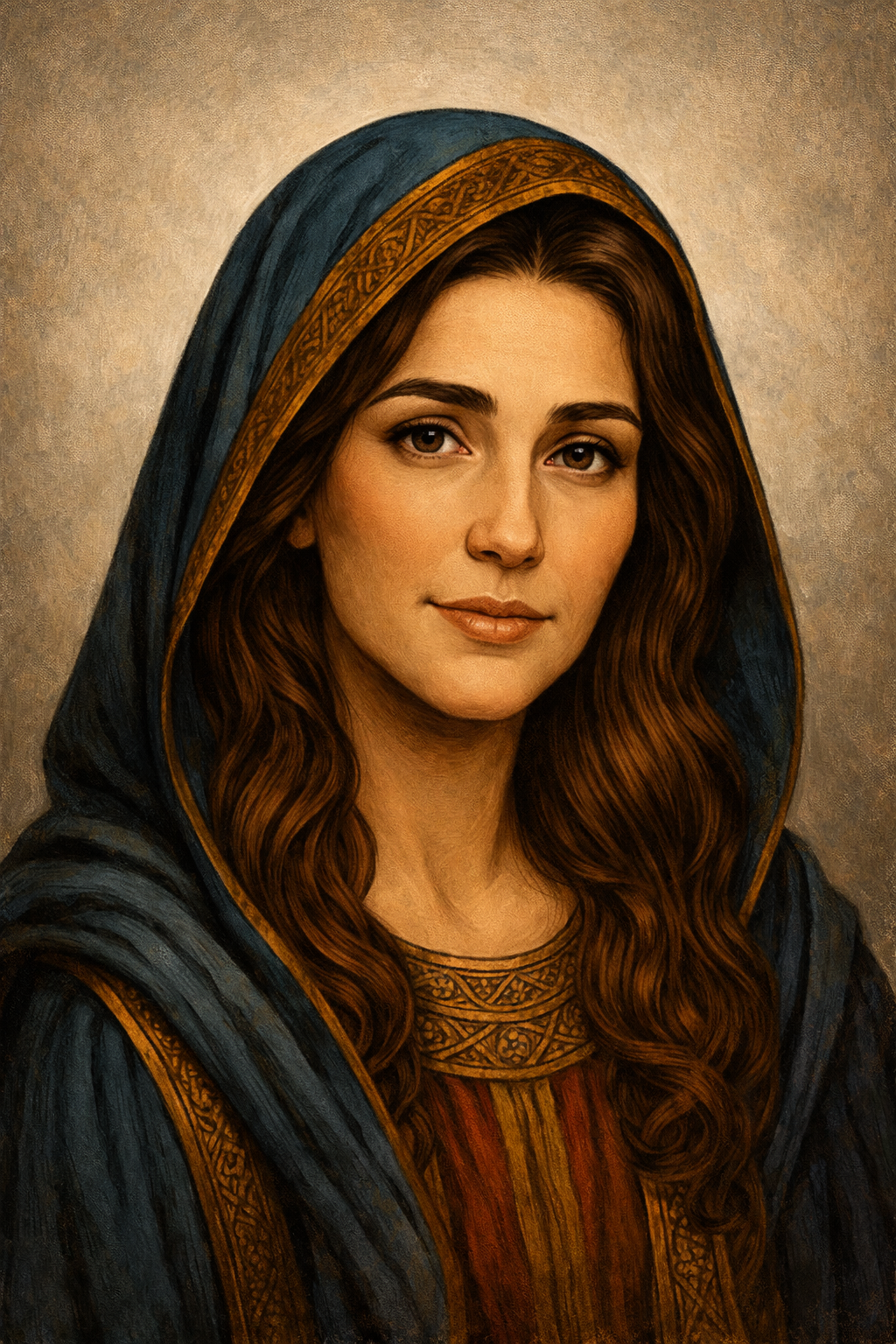
Ruth was a Moabite woman – a foreigner, a widow, a nobody by the accounting of her world. She had married into a Hebrew family that had fled famine, and then watched that family collapse around her: first the father, then both sons, until all that remained was an old woman with nothing and a grief so heavy she told people to stop calling her Naomi – “pleasant” – and call her Mara, which means bitter. Ruth had every legitimate reason to walk away. Her own mother was still alive. Her own country, her own gods, her own chances at a new life were right behind her. What she chose instead was a woman in mourning, a hard journey, and a land where she would be a stranger. She arrived in Bethlehem at harvest time with Naomi at her side and no plan beyond getting up in the morning and doing what needed to be done.
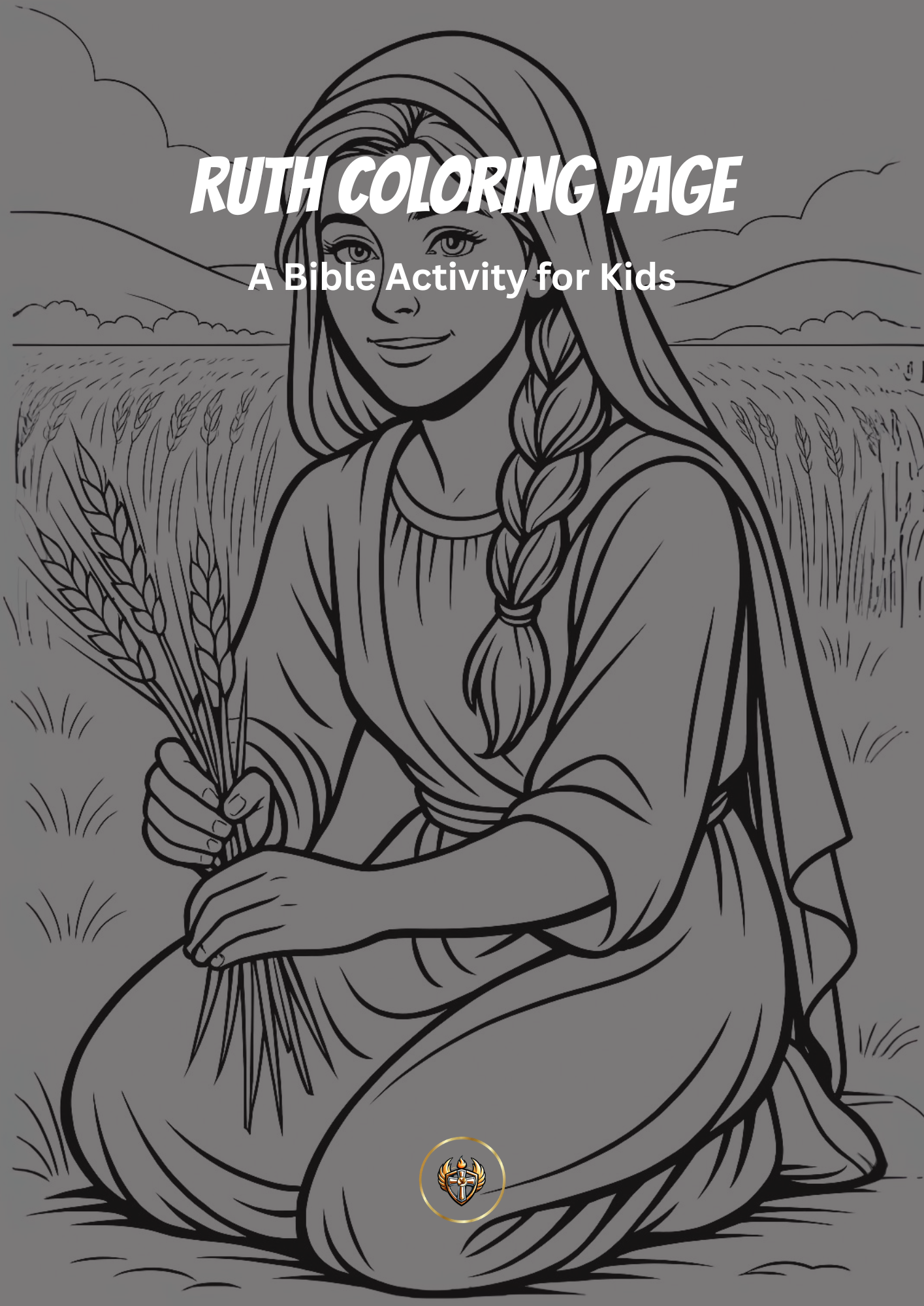
What she did next was unglamorous and specific: she went to the fields to glean. Gleaning was the ancient welfare system – poor people were permitted to follow behind the harvesters and pick up what was left behind. It was exhausting, exposed work, and for a foreign woman alone in a field full of men who did not know her, it carried risk she understood clearly. She asked permission. She worked from morning until evening without stopping. She did not wait to be rescued – she simply did the next faithful thing, and then the next, and then the next. Boaz noticed her and asked who she was, and when he heard her story he told his workers to leave extra grain behind for her on purpose, to let her drink from their water jars, to make sure no one harmed her. Kindness found her because she was already in motion. By the end of the book, Ruth – the outsider with nothing – had a husband, a home, and a son who would become part of the lineage of kings. But the greatness of what she did was already complete on that road before any of that arrived.
What This Ruth Bible Story Teaches Kids
The thread running through everything Ruth did is this: she chose people over safety. Not once, not dramatically, not with a crowd watching – but day after day, in small and costly ways, with no guarantee of return. Loyalty is the word we put on the moment she refused to leave Naomi, but it was really an act of faith, because the God she was walking toward was not yet fully her own. Courage is the word we put on walking into that field alone, but it was really kindness in motion – she had a person to feed and she went and fed them. Selflessness sounds like sacrifice, and it was, but it was the kind of selflessness that came from knowing exactly what she was giving up and choosing to give it anyway. Each virtue in Ruth’s story is really the same thing seen from a different angle: a woman who looked at another human being and decided that person was worth more than her own comfort, her own future, her own familiar ground. That is not a lesson you can teach in a single afternoon. But you can show it to a child slowly, one choice at a time, until they recognize it when they see it – and maybe when they feel it rising in themselves. Ruth walked toward a hard road and a strange land and a woman with nothing to offer. She got there. So can we.
The five missions in Ruth’s hero journey each pull on one thread of that same cloth: loyalty when it costs you something, faith when the ground is unfamiliar, kindness practiced before it is fully understood, courage that shows up quietly and gets to work, and the kind of selflessness that does not keep score. Ruth’s story is not a fairy tale that begins with hardship and ends with reward – it is a portrait of what a human being looks like when their character is bigger than their circumstances. If you want your child to understand what it means to stay, to show up, to walk into the unknown for the sake of someone they love, start here. The road from Moab to Bethlehem is one of the oldest roads in scripture. It still goes somewhere. To read the full passage, explore Ruth 1 on Bible Gateway.
Greatest Feats
The Field Worker: Ruth arrived in Bethlehem a foreigner with nothing and immediately went to work, gleaning grain in the fields behind the harvesters. Her quiet faithfulness caught the attention of Boaz, a wealthy and honourable man who went out of his way to protect and provide for her.
The Redemption Story: Boaz acted as a kinsman-redeemer — a role in Israelite culture where a relative would buy back what a family had lost and restore their future. He married Ruth, and through that act of redemption, she became the great-grandmother of King David and an ancestor of Jesus.
Arch-Nemesis
Naomi's Bitterness: Naomi told Ruth to call her Mara, meaning bitter, because she felt God had dealt harshly with her. Ruth's steady love through Naomi's bitterness is a quiet act of heroism — choosing to stay and love someone who has given up on joy.
Allies
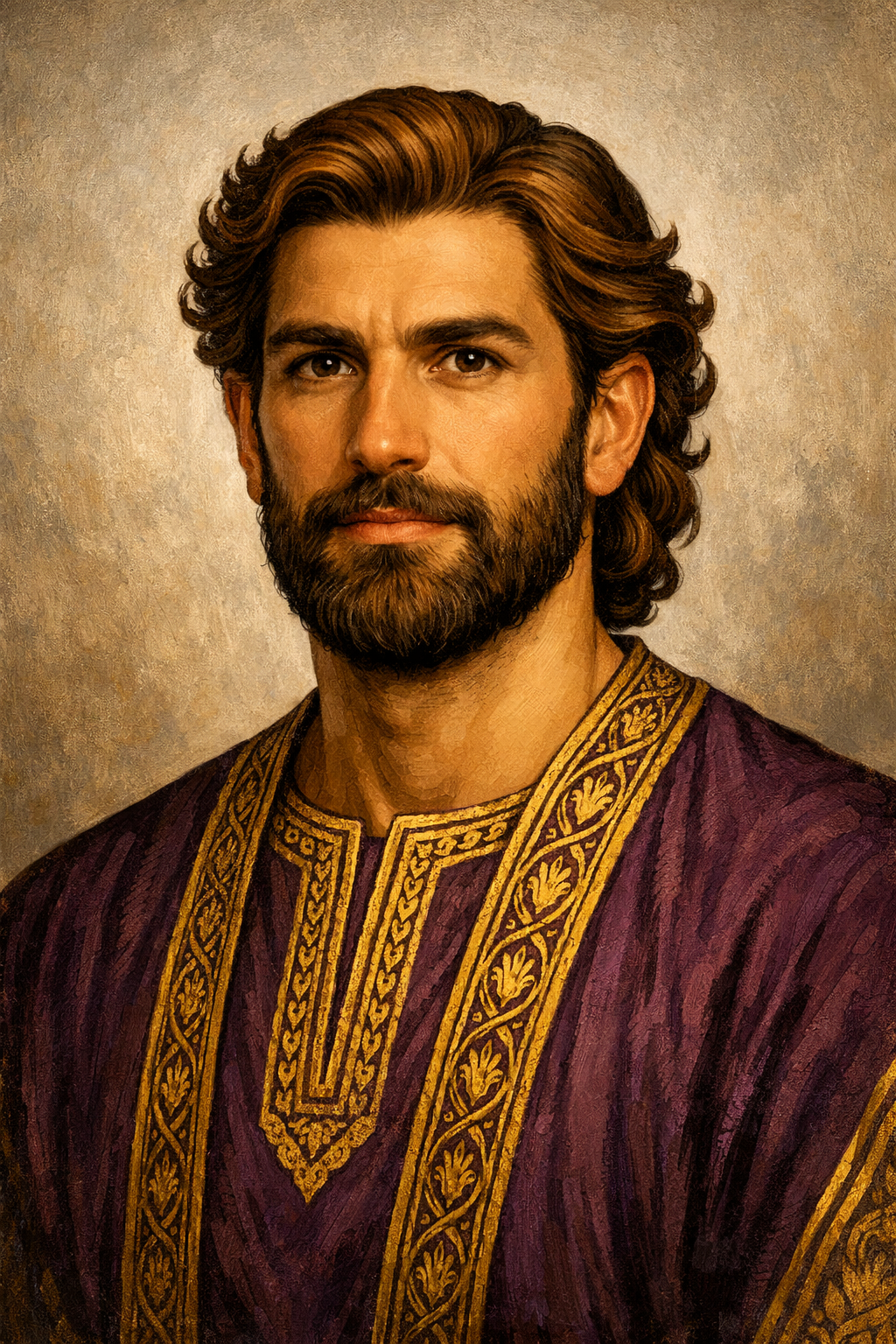
Boaz: The honourable kinsman-redeemer who noticed Ruth's loyalty and character, went out of his way to protect her, and ultimately redeemed her future — a beautiful picture of God's own heart toward the vulnerable and faithful.