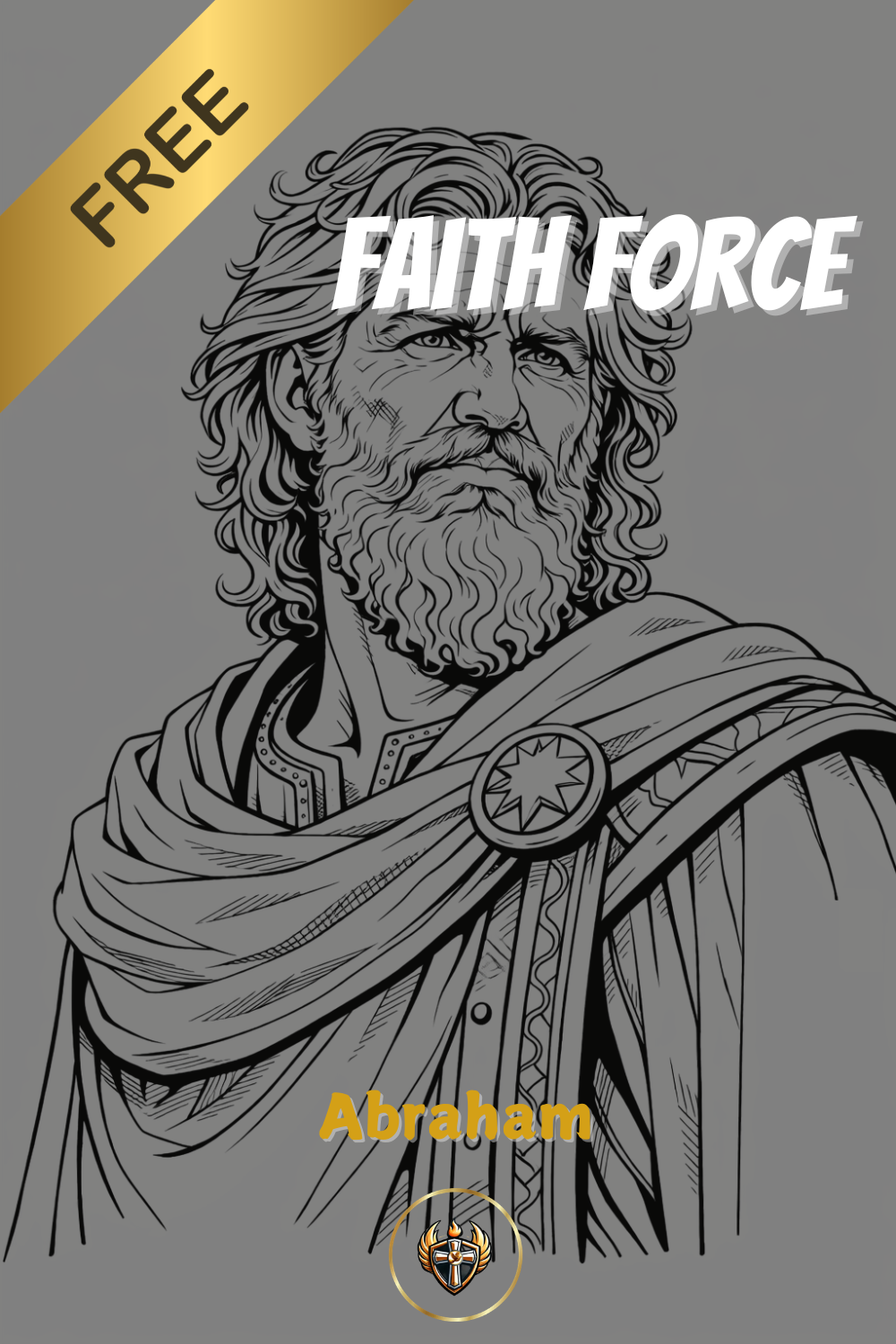

Abraham's Journey
Abram lived in Harran with his wife Sarai and other members of his family. God told Abram to leave his country, his people and his father’s household and go to a land God would show him.
God promised to make Abram into a great nation, bless him, make his name great and bless all peoples on earth through him.
Abram obeyed. At seventy-five years old, he left Harran with Sarai, his nephew Lot, their possessions and the people in their household. They travelled to Canaan, where God promised the land to Abram’s descendants.
Abram built altars to the Lord, but his journey also included difficult decisions, fear, family conflict and long periods of waiting.
Who Was Abraham?
Abram was a son of Terah and the husband of Sarai. His family came from Ur of the Chaldeans and later settled in Harran.
When Abram left Harran, he had possessions, a large household and flocks. However, he and Sarai had no children.
God promised Abram descendants, land and blessing. Abram believed the Lord, and God credited his faith to him as righteousness.
God later changed Abram’s name to Abraham, meaning that he would become the father of many nations. Sarai’s name was changed to Sarah.
Abraham waited twenty-five years from his departure at age seventy-five until Isaac’s birth at age one hundred. During those years, God repeated and expanded His promises, established His covenant and told Abraham that Sarah would bear Isaac.
The long wait included genuine faith, but also questions, laughter and attempts to secure a family through human plans.
After Abram had lived in Canaan for ten years, Sarai gave her Egyptian slave Hagar to Abram as a wife so that Sarai might build a family through her. Abram agreed, and Hagar became pregnant.
Conflict followed. Sarai mistreated Hagar, and Hagar fled. The angel of the Lord found Hagar, spoke to her and promised that her descendants would be numerous. Hagar gave God the name “the God who sees me.”
Hagar bore Ishmael when Abram was eighty-six. God later promised to bless Ishmael, make him fruitful and make him the father of twelve rulers. However, God said that His covenant would be established through Isaac, the son Sarah would bear.
After Isaac’s birth, further conflict resulted in Hagar and Ishmael being sent away. God heard Ishmael, protected them and remained with him as he grew.
Abraham displayed faith, but Genesis does not portray him as flawless.
During a famine, Abraham went to Egypt and asked Sarah to say that she was his sister because he feared being killed. Pharaoh took Sarah into his household before God intervened.
Abraham later repeated a similar deception with Abimelek. Abraham explained that he had acted because he believed there was no fear of God in that place and feared being killed.
Abraham’s fear placed Sarah in danger and caused consequences for other households. God’s continued faithfulness does not make Abraham’s deception harmless or worthy of imitation.
Abraham’s life therefore demonstrates both genuine faith and the need to trust God instead of protecting ourselves through deception that endangers others.
Some time later, God tested Abraham by commanding him to offer Isaac as a burnt offering in the region of Moriah.
Abraham rose early, took Isaac and two servants and travelled for three days. Abraham told the servants that he and Isaac would worship and then return.
When Isaac asked where the lamb was, Abraham replied that God Himself would provide it. Abraham built the altar, arranged the wood and bound Isaac.
When Abraham reached for the knife, the angel of the Lord called to him and commanded him not to harm Isaac. Abraham then saw a ram caught in a thicket and offered the ram instead.
Abraham named the place “The Lord Will Provide.”
Genesis presents this as a particular test in Abraham’s recorded relationship with God–not an instruction for children or families to recreate. Hebrews 11 explains that Abraham reasoned God could raise Isaac from the dead.
Abraham received a direct command within a unique biblical event, and God stopped him from harming Isaac. Children must never interpret a dream, feeling, thought or supposed message as permission to hurt themselves or another person.
God’s Word does not ask children to prove their faith through dangerous, secret or harmful actions. Any impression involving harm, secrecy, leaving safety or disobeying a protective adult must be rejected and immediately shared with a trusted adult.
What This Abraham Bible Story Teaches Kids
Abraham’s faith was a response to God’s revealed command and promises. It was not blind belief in an unexplained feeling.
Abraham obeyed when God told him to leave Harran, believed God’s covenant promise and continued living as a foreigner in the promised land. The New Testament points to Abraham as an important example of faith.
However, Abraham’s life also included fear, deception, questions, laughter and decisions that harmed other people. Faith did not make him flawless, and God’s faithfulness did not turn every choice Abraham made into a good example.
Waiting for Isaac did not mean twenty-five years without God speaking. God repeatedly confirmed His promise, even while Abraham and Sarah struggled to understand how it would happen.
Children can learn to trust what God has revealed in Scripture and take the next safe and clearly right step. They should not treat every internal thought as God’s command or use Abraham’s story to justify dangerous action.
Abraham’s completed Hero Mission explores faith: trusting what God has made clear and taking one safe and faithful step without needing to know every detail of the future.
Put the story into action – explore Abraham’s Faith, a completed Bible hero mission for kids inspired by this hero. To read Abraham’s story, explore Genesis 12-22 on Bible Gateway.
Greatest Feats
Believed God's Covenant Promise: When Abraham remained childless, God promised him descendants. Abraham believed the Lord, and his faith was credited to him as righteousness.
Rescued Lot and Refused Personal Profit: Abraham gathered trained men from his household, rescued Lot and the other captives and later refused to take the king of Sodom's possessions for himself.
Interceded for Others: When God revealed the coming judgment of Sodom, Abraham repeatedly appealed for righteous people not to be destroyed with the wicked.
Key Conflict
Allies
Sarah: Sarah travelled with Abraham and became the mother of Isaac. Their shared story includes faith and fulfilment, but also laughter, poor decisions and Hagar's mistreatment. Scripture does not present either spouse as flawless.
Lot: Lot travelled with Abraham and was later rescued by him after being captured. Abraham also interceded when judgment threatened the region where Lot lived.
Melchizedek: Melchizedek, king of Salem and priest of God Most High, blessed Abraham after Abraham rescued the captives.